
School HealthWaltham Forest
Our School Nursing team works across Waltham Forest’s schools to improve the physical, emotional wellbeing of children, young people and families.
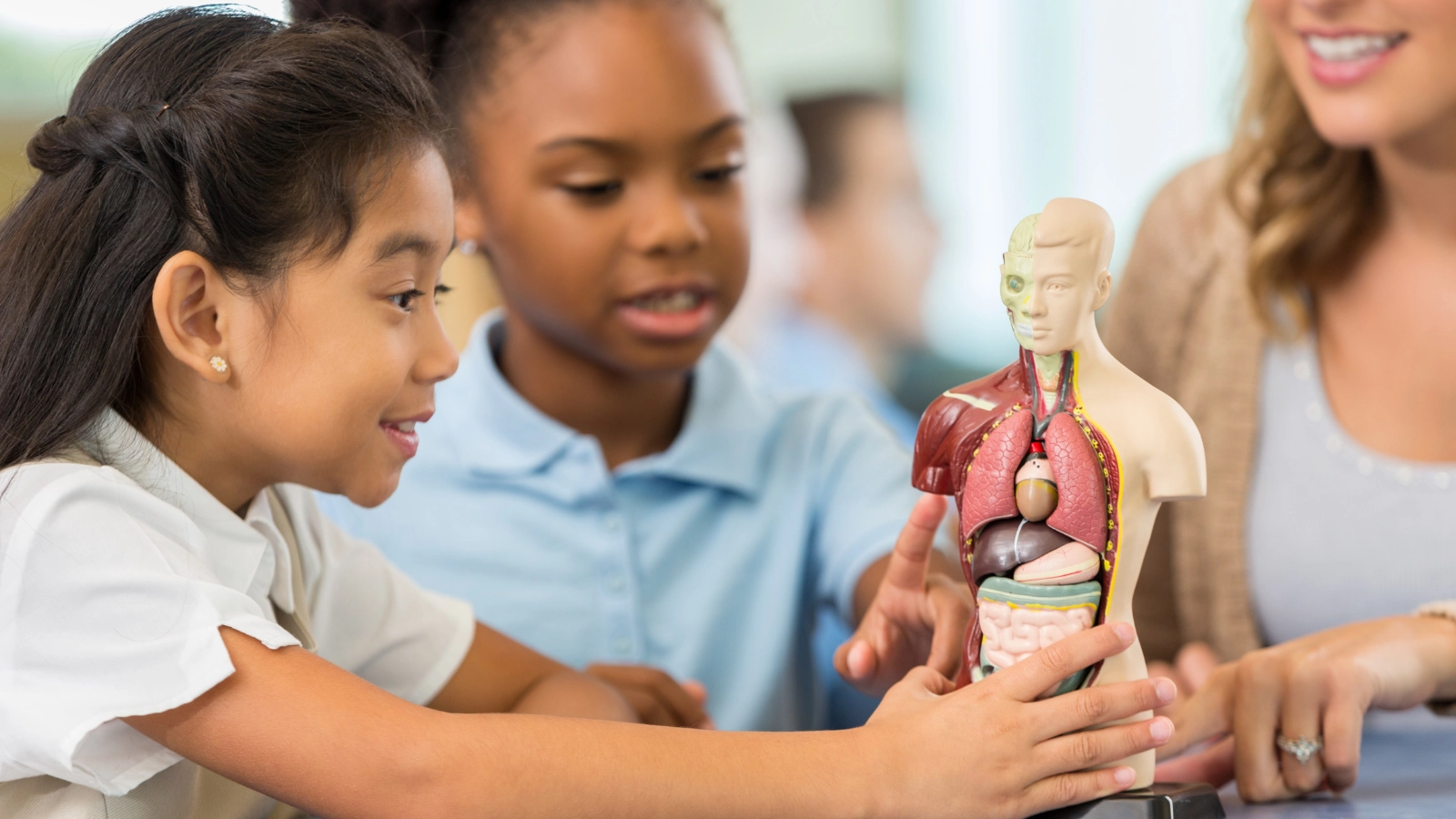
The school nursing teams works closely with education, social care and other health professionals, to help children and young people to remain healthy and ensure that any health needs are met. This is through screening programmes, health promotions and regular drop-in sessions at schools. Our team of nurses, community staff nurses, and clinical support workers aim to improve the physical, emotional, and mental health of the children, young people, and families within the community.
Please be aware that this service is not commissioned for children attending private schools in Waltham Forest.
How to contact us
Tower Hamlets GP Care Group
Chingford Health Centre,
109 York Road,
E4 8LF
Email: thgpcg.childhealth@nhs.net
Opening hours
Monday - 9am - 5pm
Tuesday - 9am - 5pm
Wednesday - 9am - 5pm
Thursday - 9am - 5pm
Friday - 9am - 5pm
Should you need any urgent health advice please contact your GP or call NHS 111.
In an emergency, please visit A&E or call 999.
About the service
The School Nursing Team work collaboratively across health, education and other agencies, and as an integral part of a broader public health service. The service advocate for optimum health for all school-aged children and young people in Waltham Forest Through a range of screening programmes, health promotion sessions, and regular drop-in sessions, our team of school nurses, staff nurses, nursery nurses, and support workers aim to improve the physical, emotional, and mental health of the children, young people, and families within the community.
We offer:
- Drop-ins
- All secondary schools will be offered a drop-in to CYP on a weekly basis by the mainly by the (SCPHN) school nurse.
- All primary schools will be offered a parent drop-in clinic monthly. - Advice, support and 1:1 intervention is available following a health assessment for health and emotional well-being needs such as
- Growth monitoring and supporting healthy weight
- Diet and nutrition support and advice
- Sleep concerns
- School anxiety
- Mental health concerns
- Immunisation
- Healthy lifestyle - Care planning – work with schools, specialist health professionals and parents/carers to ensure the needs of children with diagnosed conditions are met and supported in schools with up to date care plans. For example, asthma/allergies, epilepsy, sickle cell.
- To deliver health promotion sessions as per service calendar but also considering the needs of the school
- Deliver Health Needs Awareness sessions to school staff on Allergies, Asthma, Eczema and Epilepsy
- National Child Measurement Programme (NCMP) for Reception and Year 6 children. Every year in in England, more than a million children in Reception and year 6 have their height and weight measured as part of the NCMP. Schools will receive correspondence about the programme and parents will be given the option to withdraw their child should they wish.
- Hearing and Vision screening for Reception children.
- Parental digital health questionnaires for Reception and Year 6.
- Digital health questionnaire for Year 10 pupils.

Topics covered:
You can contact our service via the 0-19 Single Point of Access team from Monday – Friday (except Bank Holidays) between 9am and 5pm.
Email: thgpcg.childhealth@nhs.net
Telephone: 020 4551 1414
Please contact us on 020 4551 1414 if you want to book an appointment to have your child weighed at your nearest clinic.
You can request to speak to our Duty Health Visitor if you require any advice or support for you or your child’s health, development and wellbeing.
Please note if you or your child is acutely unwell, please contact your GP, NHS 111 or the Emergency Services as necessary.
School Health and Wellbeing Service referral form
Managing referrals
We accept referrals from parents, school staff and professionals. Completing a referral helps us ensure that you receive the support from the correct member of the team.
Parents are still welcome to attend the school nurse drop in at your child’s school without completing a referral. If the school want to refer your child, they will need to inform you beforehand. Young people are also able to attend the drop in without a referral.
Referral Acknowledgement
You will receive an automatic response acknowledging that the referral has been received and a message that the referral will be responded to within 5 working days as an initial response.
Triage process
The nurse will undertake a review of the information to triage the referral to assess the urgency of the request and make contact with the referrer to discuss the requirements, agree on a date to meet the referring school staff member and parents/child to undertake an assessment/review of the child health needs/care plan.
The School Nursing Team work collaboratively across health, education and other agencies, and as an integral part of a broader public health service. The service advocate for optimum health for all school-aged children and young people in Waltham Forest Through a range of screening programmes, health promotion sessions, and regular drop-in sessions, our team of school nurses, staff nurses, nursery nurses, and support workers aim to improve the physical, emotional, and mental health of the children, young people, and families within the community.
We offer:
- Drop-ins
- All secondary schools will be offered a drop-in to CYP on a weekly basis by the mainly by the (SCPHN) school nurse.
- All primary schools will be offered a parent drop-in clinic monthly. - Advice, support and 1:1 intervention is available following a health assessment for health and emotional well-being needs such as
- Growth monitoring and supporting healthy weight
- Diet and nutrition support and advice
- Sleep concerns
- School anxiety
- Mental health concerns
- Immunisation
- Healthy lifestyle - Care planning – work with schools, specialist health professionals and parents/carers to ensure the needs of children with diagnosed conditions are met and supported in schools with up to date care plans. For example, asthma/allergies, epilepsy, sickle cell.
- To deliver health promotion sessions as per service calendar but also considering the needs of the school
- Deliver Health Needs Awareness sessions to school staff on Allergies, Asthma, Eczema and Epilepsy
- National Child Measurement Programme (NCMP) for Reception and Year 6 children. Every year in in England, more than a million children in Reception and year 6 have their height and weight measured as part of the NCMP. Schools will receive correspondence about the programme and parents will be given the option to withdraw their child should they wish.
- Hearing and Vision screening for Reception children.
- Parental digital health questionnaires for Reception and Year 6.
- Digital health questionnaire for Year 10 pupils.
Information for Parents
Health assessments
Once your child starts school in Waltham Forest, the School Health team/school will inform you of how to access the Parent Portal to complete a health questionnaire about your child/children. This is to help the team identify and best support any problems which may affect your child's ability to learn.
During your child’s first year in school, a member of the School Health Team will check their vision, hearing and measure their height and weight. You will be informed of the assessment results via the parent portal and if your child has to be referred to a vision or hearing specialist, we will also contact you if there are any concerns about your child’s growth or weight. We will inform the school if your child has any hearing or vision problems that may affect their learning.
It is very important that you inform the school about any medical condition which may affect your child’s health, safety or education in school e.g. asthma, epilepsy, diabetes, allergies, eczema, and any hearing and/or vision problems. If your child has a care plan from the GP or from a specialist please provide a copy to the school.
About the service
The School Health and Wellbeing service is part of our integrated 0-19 service which also includes Health Visiting and Family Nurse Partnership. We work in partnership with schools to support children, young people, and their families to ensure that pupil’s health needs are supported within their school and their community.
You’re School Health and Wellbeing service is led by qualified nurses who have a Specialist Community Public Health degree and consists of Community Staff Nurses, Community Nursery Nurses, and Administrators. School Nurses work closely with a number of other services, including Education, GPs, the Voluntary Sector, Youth Services, and Children's services. This partnership working enables us to be able to signpost you to the most appropriate organisation to help you.
We have our Education Other Than at School (EOTAS) nurses who work closely with Pupil Referral Units, alternative provisions, elective home educated, colleges and sixth form and Youth Offending service to support the health and wellbeing needs of children who are not accessing mainstream education
What support is available?
Our school nurses support schools to manage young people with medical conditions. For example, a child or young person who has asthma, allergies, epilepsy, or eczema will have a care from their specialist or GP, this needs to be brought into school to enable them to support your child. The school will ask you to share this with them and we will support the school if they need further guidance.
Our school nurses are available for drop-in sessions during scheduled school visits for any personal queries or advice. These sessions may be for groups or individuals to support you with health advice.
We are always happy to see any child who has concerns about their health or wellbeing, whether this is emotional or physical.
Please speak to your school reception for information on when the school nursing team will be at your child’s school
We undertake vision and hearing screening for all reception aged children. You would have received information from your school about this which also explains the process of opting out from screening.
Why test hearing and vision?
When a child has a hearing problem, it may not always be obvious, sometimes speech may be unclear or slow to develop and behaviour or progress at school may be affected. It is always better for any hearing loss to be identified and treated early this is why we provide a school-based hearing screening service.
Good vision is important for learning- over 80 percent of everything we learn it from what we see. Vision development is completed by the age of 8, so it is important to detect any abnormalities as early as possible so that treatment can be commenced and the problems reversed whilst the child is young.
My child appears to have normal hearing and vision, are tests necessary?
Yes, they are! Because some problems with hearing are not easily recognised, it is important that all children have their hearing assessed soon after starting school. Children can often be longsighted or short sighted but as they have always viewed the world this way it is “normal” for them. It may be possible that there is poor vision in one eye- therefore the “good” eye is doing all the work- making it undetectable without testing. This is typical of a lazy eye- and treatment must be completed before the age of 8 otherwise the eye will remain lazy for life, thus increasing the risk of visual impairment.
What do the hearing and vision tests involve?
We check children’s hearing with a simple listening game using headphones. Vision is tested using a letter of different sizes at a standard distance. If your child does not know their letters, they will be able to use a matching system. The vision is checked in each eye separately. The school nurse will then write to you and inform you if your child passes or fails
What if my child does not pass one of these tests?
If your child does not pass the hearing test we will refer him or her to the local audiology team for more detailed tests in a soundproofed room. There are several reasons why a child may not pass the test. For example, it is quite common for repeated coughs and colds to cause congestion and fluid to fill the space behind the eardrum resulting in hearing loss. Although not permanent, this type of hearing loss can still affect a child’s progress in school.
If your child does not pass the vision test, depending on the extent of vision loss, the School Health Team will arrange a direct referral to the Royal London Hospital or will advise seeing your local optician.
You child’s school may be participating in the NCMP. Reception and Year 6 children are measured and support is provided if required.
Frequently Asked Questions for Parents
Measurement of height and weight helps to ensure that children are growing properly. If they are unusually big or small there may be underlying medical conditions, or there may be problems getting them to eat a healthy diet. By measuring all children when they start school, advice on diet or referral for support on healthy lifestyle can be arranged at an early stage.
The weight is measured by standing on weighing scales with shoes off. The height is measured by standing against a height measure against the wall again with shoes off. The measurements are then checked against a chart to see if they are within a healthy range.
There are a range of reasons why your child’s growth might be outside of the healthy range. Our Healthy Weight Practitioners will only contact you if your child weight is outside the healthy range. However, If you have any concerns about your child’s growth or if would like to discuss their results further, please contact our team on Telephone: 0300 033 6200 or Email: thgpcg.wf0-19spa1@nhs.net
You can read more information about children’ growth on NHS Children’s weight – Healthier Families .
You will also find a range of health and wellbeing services and resources on the feedback letter alongside your child’s results.
Emotional Wellbeing
Positive emotional health means being happy, content, and confident in yourself and your abilities. Emotional and social wellbeing is an important focus amongst children and young people as it is responsible for creating strong foundations in healthy behaviours and attitudes, educational attainment, relationships, and development. Looking after our emotional health is just as important as looking after our physical health. Positive emotions are important for our mental wellbeing, so always try to do things that make you feel positive!
Sometimes it is very hard to control your emotions, especially in times of sadness or stress. This may happen when you have important exams, for example. You may start to feel overwhelmed and very nervous, which may cause feelings of pressure, anxiety, and negativity. If this happens, you should take some deep breaths, take a break from studying and do something that you find relaxing or enjoyable, or simply talk to somebody who is feeling the same way as you. You may find that the exam isn’t so scary after all!
If you are being bullied at school, you may find that you experience feelings of sadness, anxiety, loneliness, and low self-confidence. It is important to understand that bullying is always wrong, whether this is online, physical or emotional, and you must stand up to whoever is bullying you; you have the right to feel safe.
If you or somebody you know is being bullied, tell an adult (parent, teacher or school nurse) and they will be able to sort out the situation.
Unfortunately, there are times where we cannot change the situation that has led to us becoming upset. This may be the case when somebody we love a person or a pet dies. When this happens, it is normal to feel sad, angry or worried and you may find that your family may be feeling the same way. You can find comfort in talking openly about how you feel rather than keeping your thoughts to yourself. It is important to remember that even though you will always miss your loved one, you will begin to feel better as time goes on.
Waltham Forest council commission Kooth, an online platform offering confidential, emotional wellbeing and counselling support to young people aged 11 to 19 who are feeling low or anxious. Young people can access self-help articles, counselling and moderated forums through the service.
- PAPYRUS (young suicide prevention society) offer help online to young people feeling suicidal.
- Anti-Bullying Alliance offer support to parents and children experiencing bullying.
- YoungMinds is an online platform offering practical tips and advice from young people, as well as information on getting the support you need.
- The Mix can offer support to young people under 25 years old, with online discussion boards, support groups and links to local services.
- The Outset Centre is a community centre ran by Project Zero, engaging young people in positive activities and holiday clubs to promote social inclusion, and provide young people with a safe space where they can get support if they need it. This is part of our Space4All programme.
Information for Schools
If you are a school in Waltham Forest, our school nursing team can support you in a number of ways.
We will spend time with you to mutually agree on how we can work together to support children and young people and periodically review this agreement to ensure we are reaching our agreed goals.
This includes:
- Providing every school with a named nurse
- Holding drop-ins in primary and secondary schools to provide advice to children, young people and parents.
- Attending transition events for reception and year 6 pupils, coffee morning and parents evening
- Provide screening for vision and hearing to all children in reception
- Deliver the National Child Measurement Programme for reception and year 6 children and ensure resources and support for children who are identified outside of the healthy weight range is provided.
- Support schools in completing health care plans as appropriate
- Deliver health awareness sessions for school staff on health conditions such as Asthma, Allergies, Epilepsy via awareness sessions.
Looking for Tower Hamlets services for parents & families?
Find our full range of Tower Halmets services on the the your health service page.
Click Here